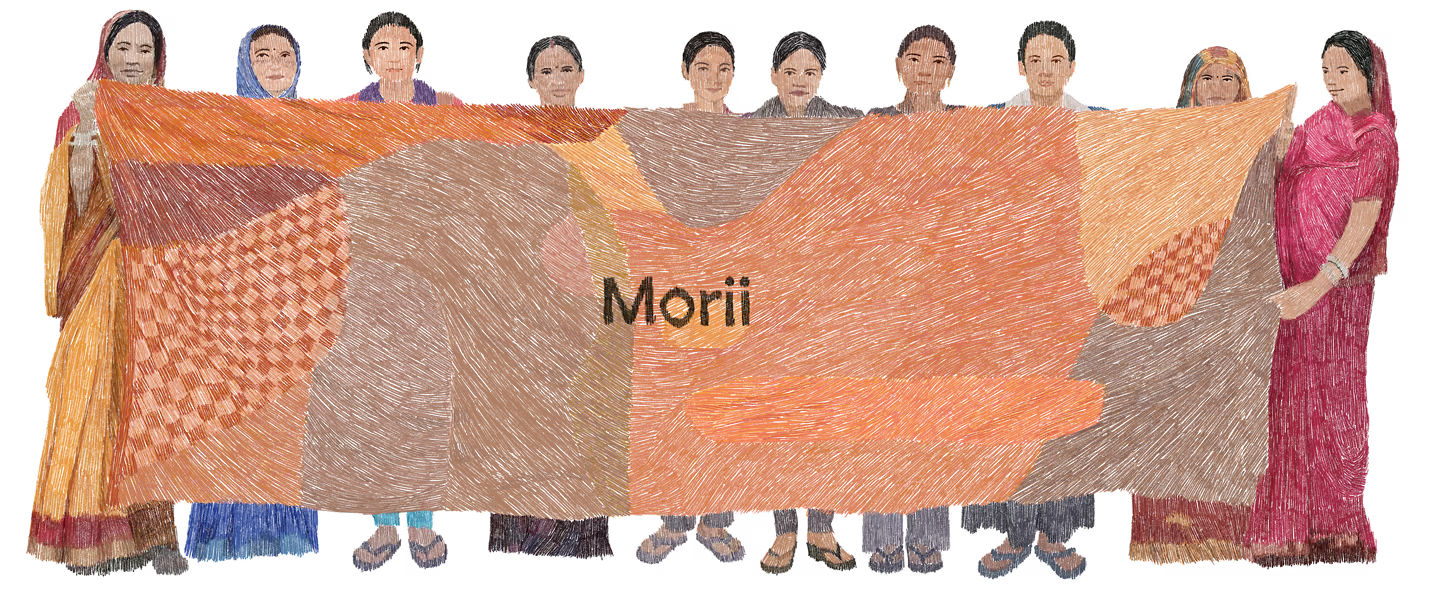
Our Process
We’ll walk you through how we collaborate with artisans communities, helping them carry their traditional skills into a contemporary language.
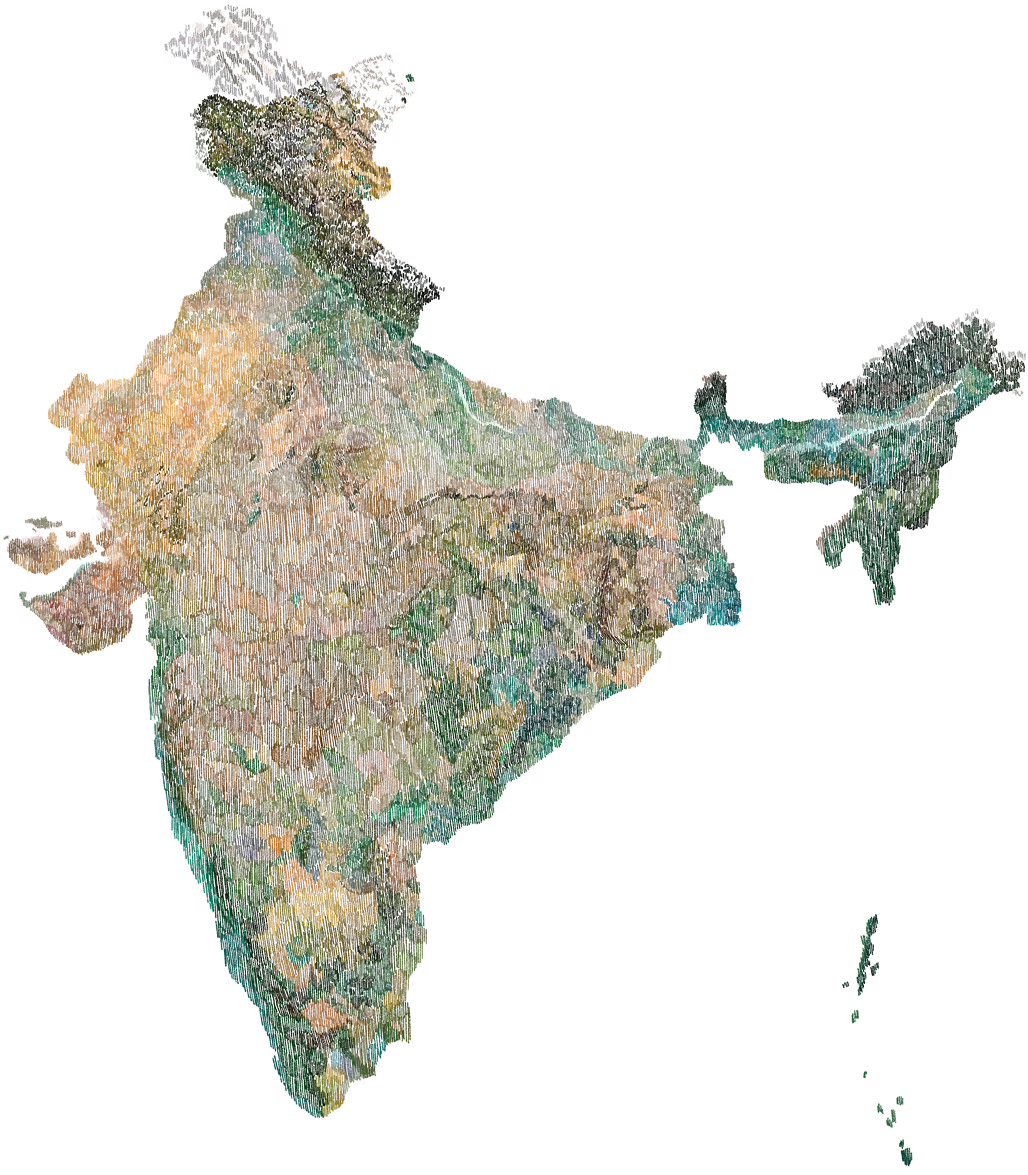
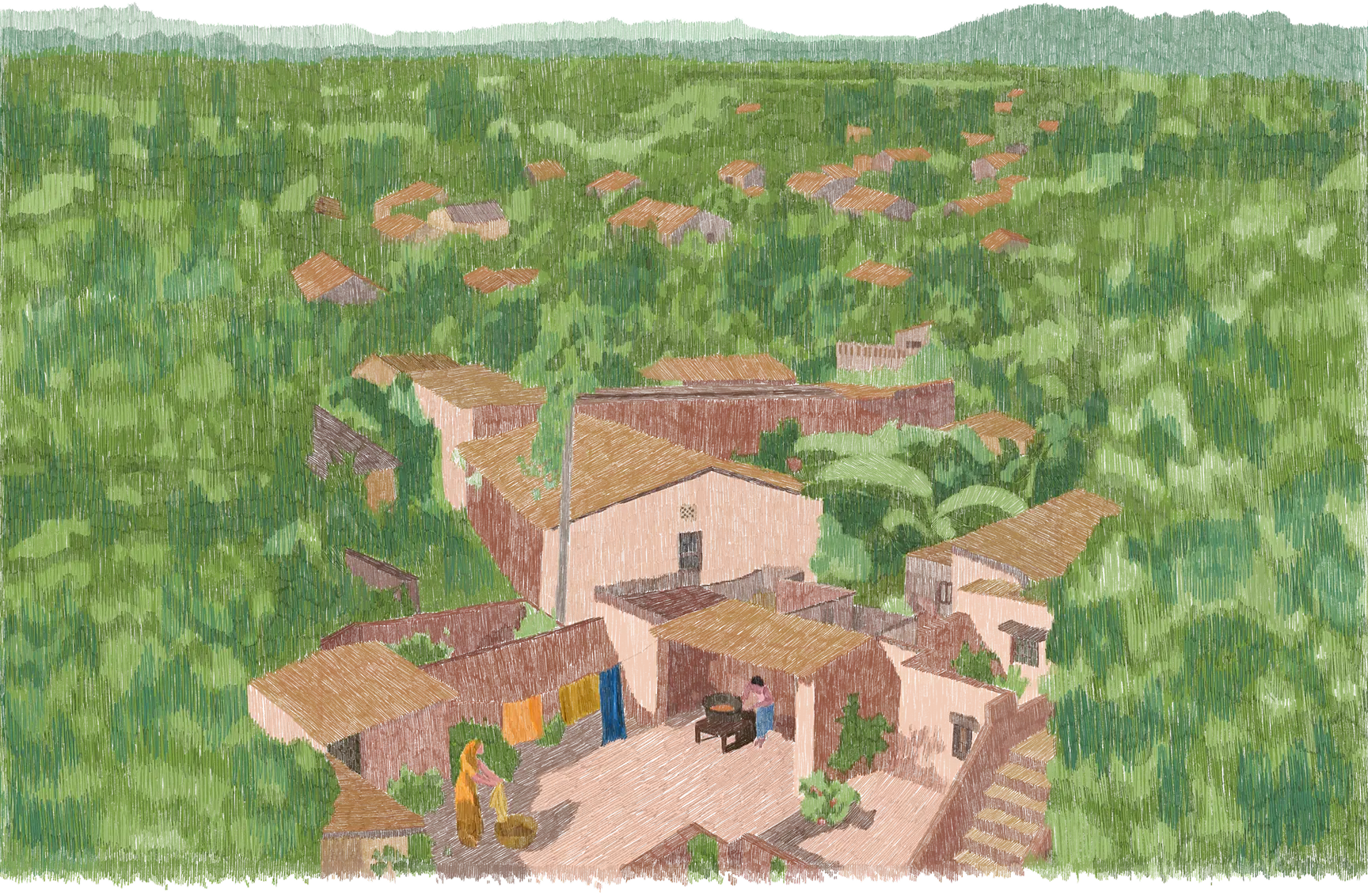
We start by visiting the village and getting a bird’s eye view ofthe community.
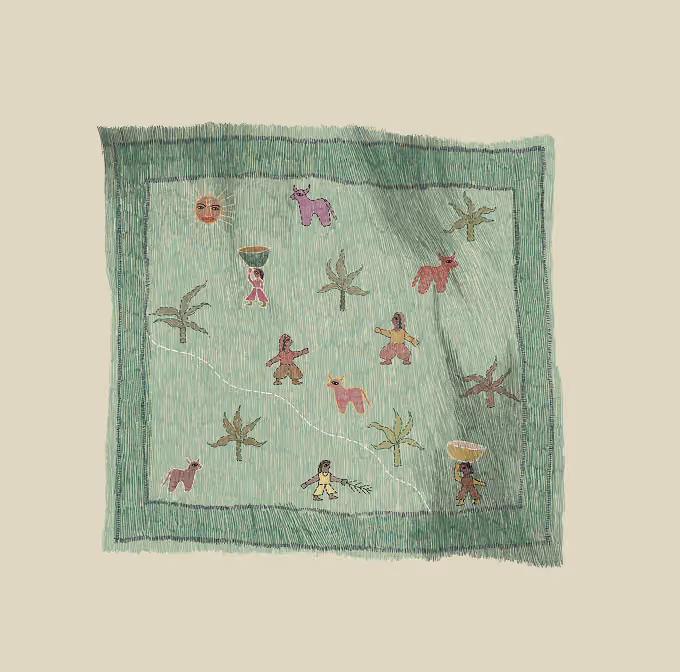
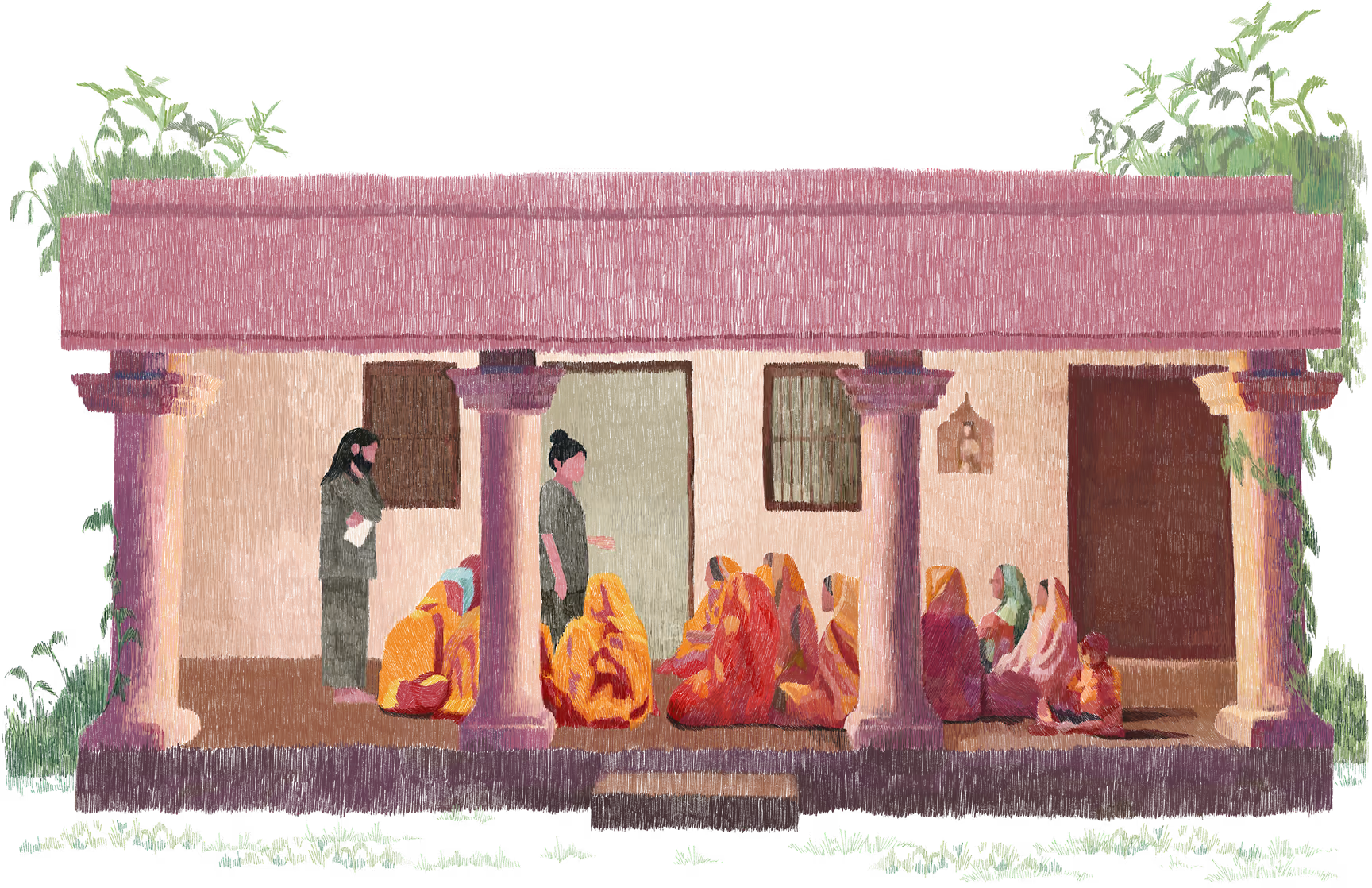
We get to know their language, food, existing skills, and we look at their past works, some pieces might be hundreds of years old or recently made.
We try to understand the craft’s condition, its challenges, how it has evolved, and how widely it exists. We also look at the cultural connection artisans have with their work, the meaning of motifs, the materials they use, and how their work reaches the market.
During this visit, we begin documenting by asking artisans to work with small materials using the techniques they already know, and to recreate their finest traditional work by referring to older pieces. This helps us understand their skill and the depth of the craft as it exists today.
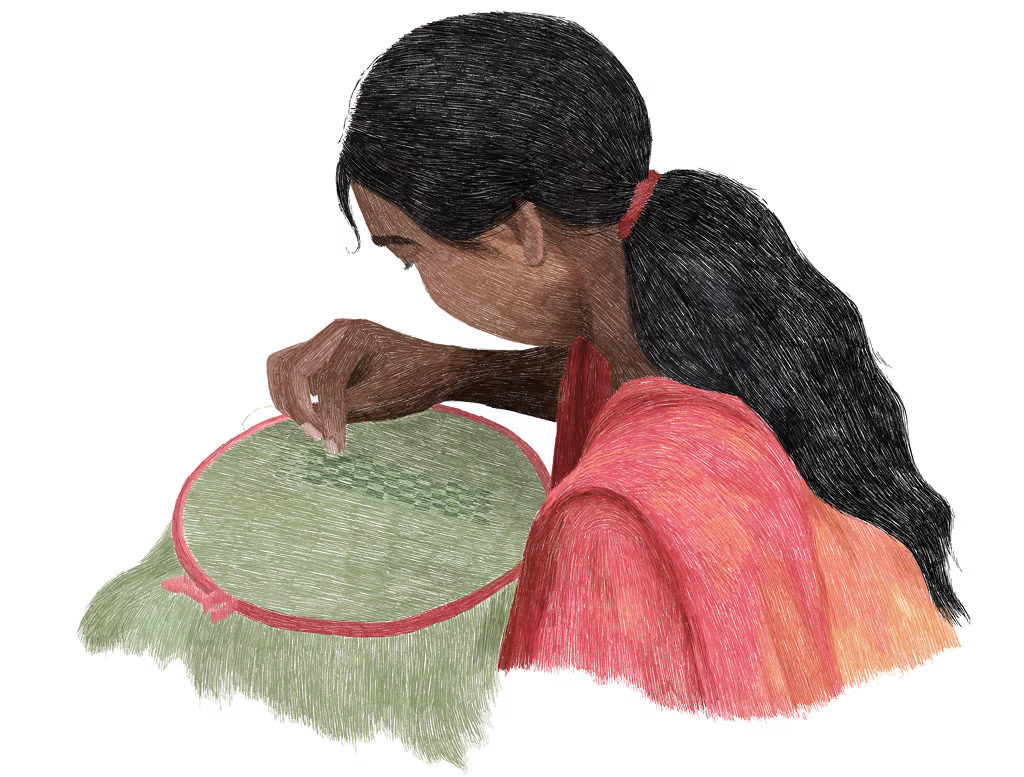
All our workshops are paid, so artisans can participate without worrying about daily income.
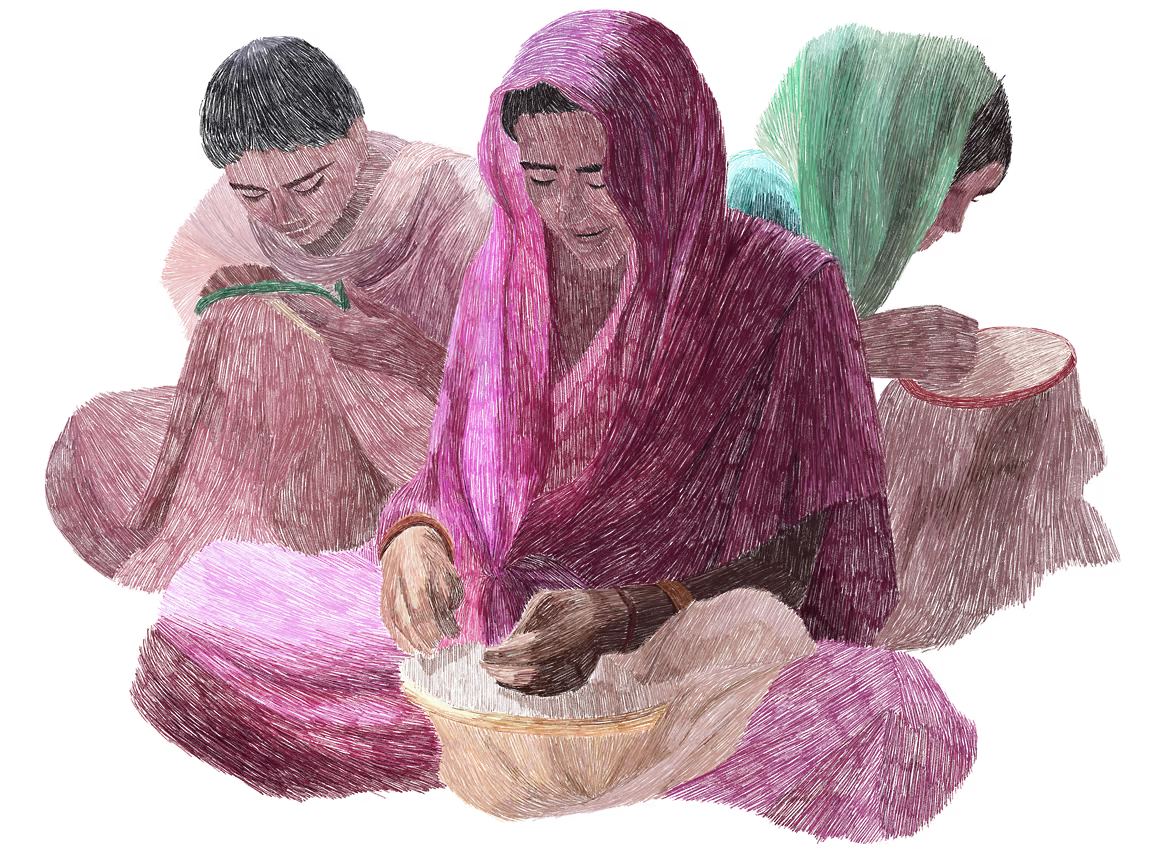
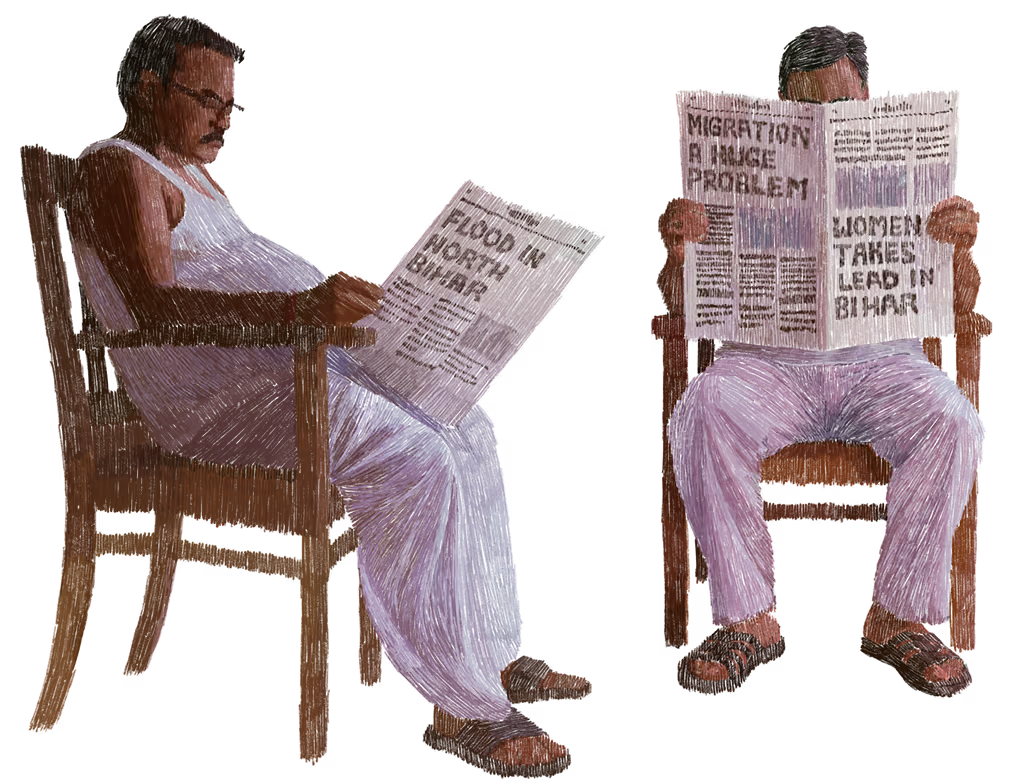
After the first visit, we return to the studio and study the craft’s geography, local conditions, social structures, and its challenges. We also look at the rhythm of village life, such as marriage seasons, harvest cycles, and family structures, to plan the next engagement.
In the second visit, we gather the artisans again and begin to understand their individual skill levels more clearly. Based on this, we organise them into groups and give slightly larger pieces to work on. There are very few instructions from our side. We share a broad framework and leave space for artisans to work freely, which allows them to experiment more openly.
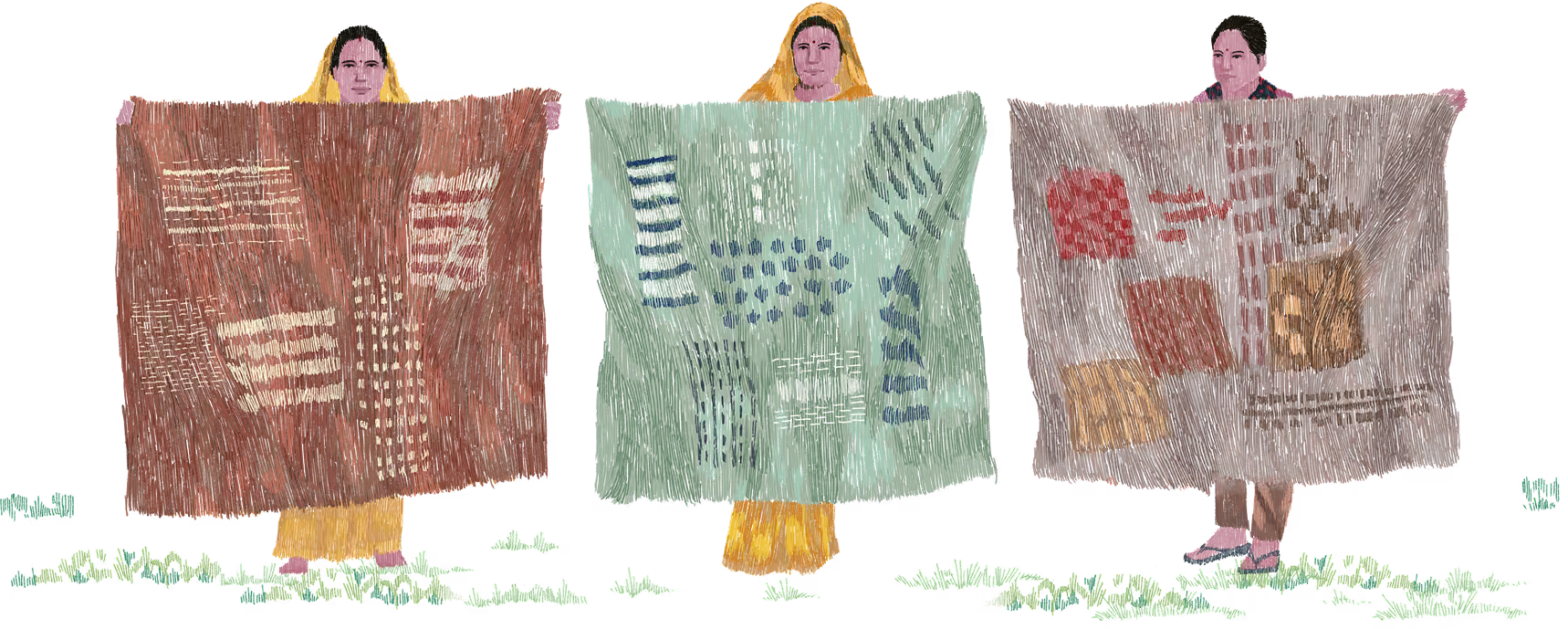
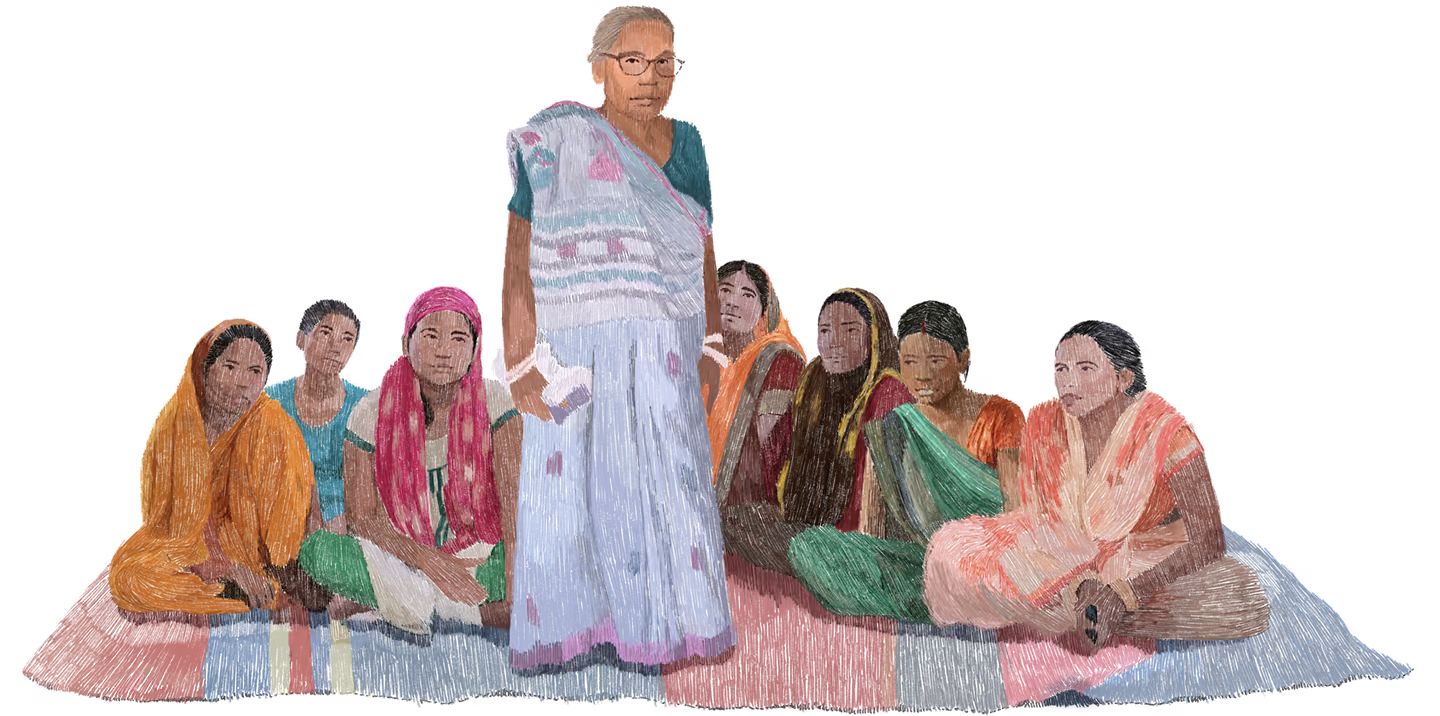
During this phase, a coordinator naturally emerges within the group. She takes responsibility for distributing work, maintaining basic documentation, coordinating couriers, and managing wage distribution, building a sense of ownership within the community. Once the samples are completed, they are sent back to us.
When the samples come back, we document the individual stitches and techniques within the craft and begin exploring combinations. This process leads to the creation of a stitch library that is rooted in the existing practice and expanded into a wider visual language, which becomes the base for all further work.
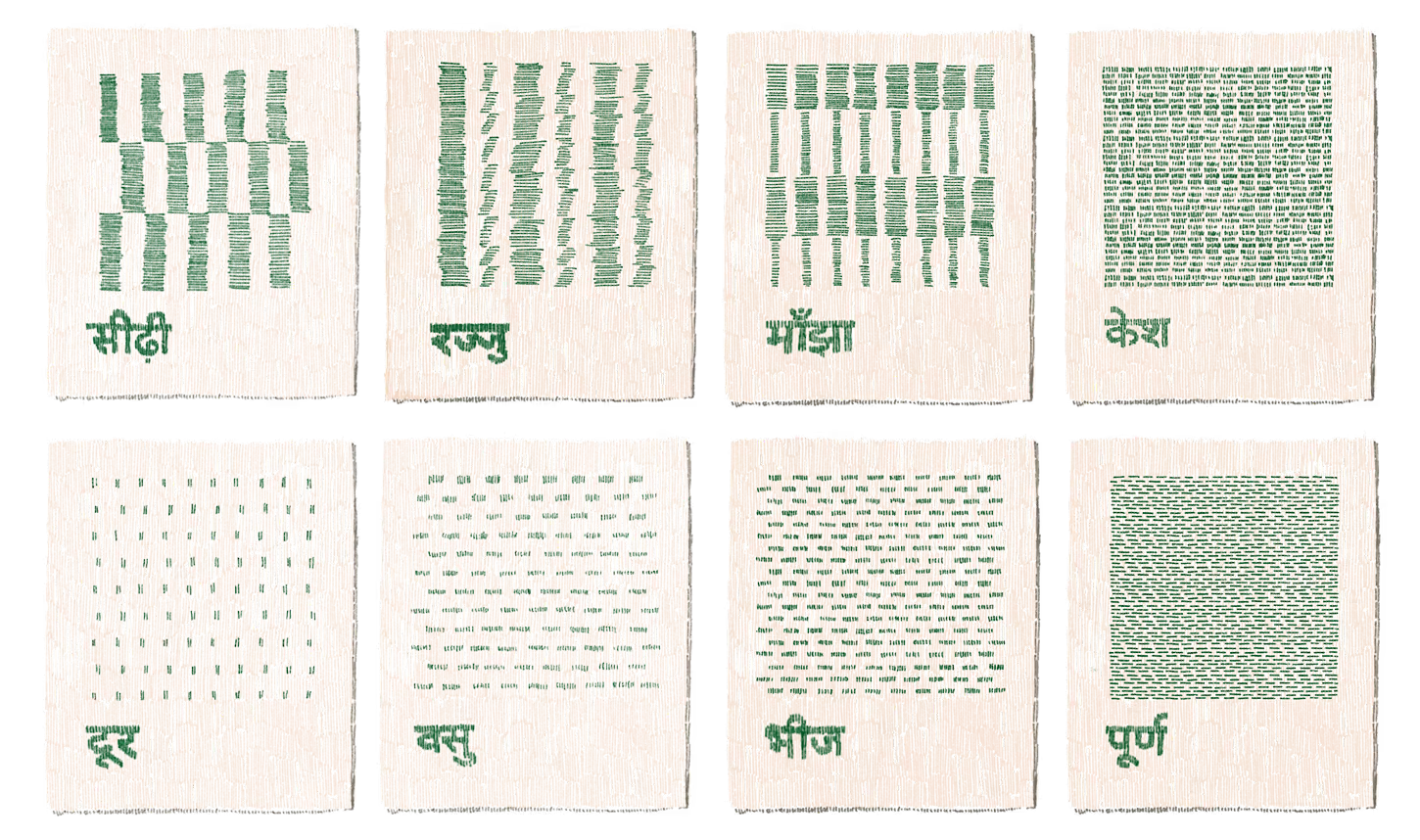
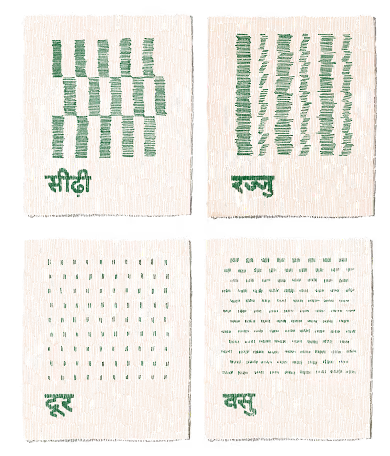
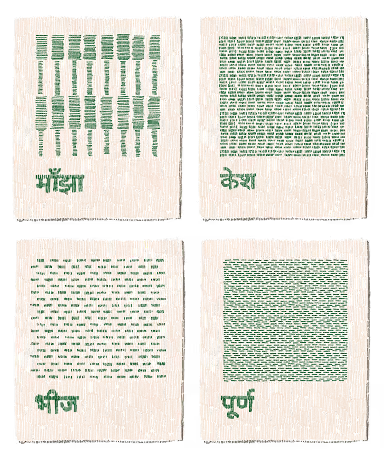
Using this library, we begin working on larger pieces while formalising the artisan groups and defining the wage system together. With each cycle of work, the understanding between us and the artisans becomes stronger, and a wider design vocabulary begins to form.
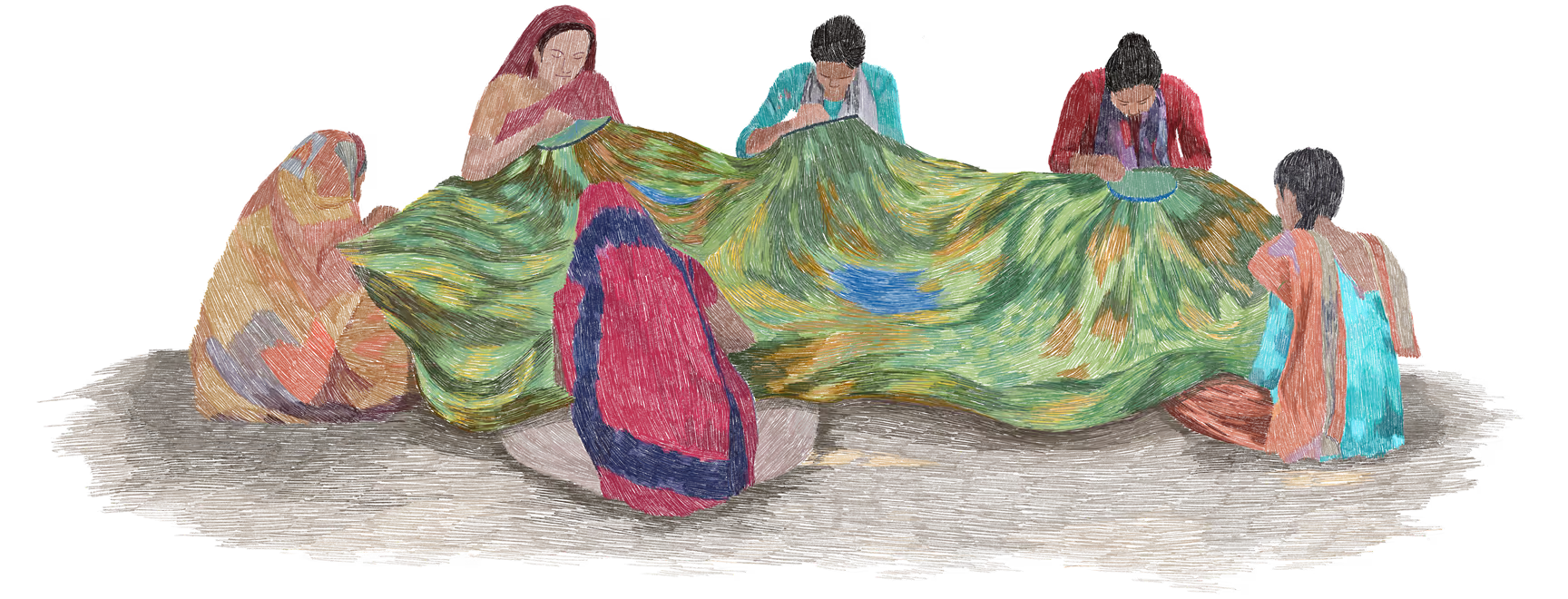
Over time, the cluster becomes more stable and ready for regular work. Individual artisans begin receiving work more consistently, and their confidence grows. With every new batch, the design language expands further, the quality of work improves, and artisans become more involved in their craft, creating stronger possibilities for the next generation.